

Gator Hard Roll-Up Tonneau Cover
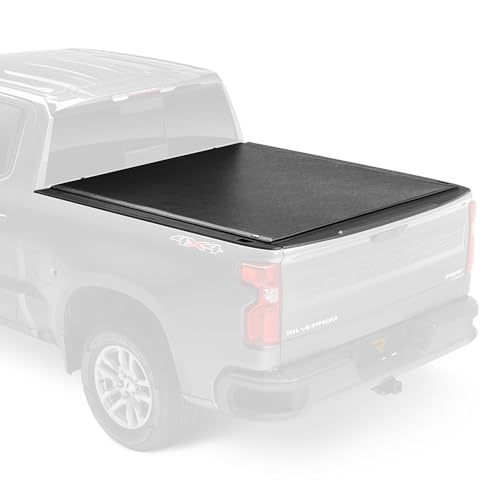
Our hard roll-up tonneau cover combines aluminum-reinforced slats with roll-up convenience, giving you secure cargo protection without sacrificing bed access. The heavy-duty vinyl exterior resists UV damage and extreme weather, while the powder-coated aluminum frame withstands years of daily use. When you need to haul tall loads, the cover rolls toward the cab in seconds and latches in place — no removal, no loose panels to store.
Every corner uses automotive-grade rubber seals to keep water, dust, and debris out of your truck bed. The low-profile design improves fuel economy compared to open beds, and the integrated locking mechanism secures your gear at the tailgate. We designed this cover for drivers who want maximum protection with minimal hassle — one person can install it in under an hour using basic hand tools.
Build & operation highlights
Aluminum slat construction & vinyl skin
We build every Gator hard roll-up tonneau cover with powder-coated aluminum slats that flex without cracking when you roll the cover open. The slats interlock along their edges to create a rigid surface when closed, so light foot traffic won’t dent the cover during loading. A layer of commercial-grade vinyl covers the aluminum framework, bonded with weather-resistant adhesive that stays intact through freeze-thaw cycles.
The vinyl resists tearing and punctures better than soft tonneau materials, and the textured finish hides minor scratches from cargo shifts. Each slat measures 1.5 inches thick, wide enough to resist warping under summer heat but narrow enough to roll into a compact bundle at the cab. Our powder-coat process applies a corrosion barrier before the color coat, so chips and scratches won’t trigger rust even in salt-exposed climates.
Installation & truck bed fit
The Gator hard roll-up tonneau cover uses side-rail clamps that tighten onto your truck bed without drilling. We include adjustable clamp blocks sized for standard 6.5-foot, 8-foot, and short-bed configurations — measure your bed length from the inside of the bulkhead to the inside of the tailgate before ordering. Most installers finish the job in under an hour using a socket wrench and a tape measure.
Position the front header bar against the cab, then slide the side rails into the clamp channels and hand-tighten each clamp. Check that the cover sits level across the bed, adjust the rail spacing if needed, then torque the clamps to our specified foot-pound rating. The rear tension adjuster lets you dial in how tightly the cover pulls against the tailgate seal — snug enough to compress the rubber, loose enough that the cover still rolls smoothly. We ship every unit with a printed torque chart and illustrated instructions; no special tools required.
Weatherproofing & seal performance
Tailgate & side-rail seals
Automotive-grade EPDM rubber seals run the full length of both side rails and across the tailgate edge. When you close the cover, the slats compress these seals to form a continuous barrier against rain, snow, and road spray. The rubber compound remains flexible down to -40°F, so the seals maintain contact pressure even during winter.
Drainage channels
Water that collects on the cover surface drains toward the cab and exits through integrated channels in the front header bar. We angle these channels to direct runoff away from the cab glass and down the bed sides. The design prevents pooling on top of the cover, which can stress the slats and seep into seams over time. Regular hose-downs confirm the seal is working — if water enters the bed, check that the tension adjuster is set correctly and the tailgate seal hasn’t shifted during use.
More Gator bed protection systems


Rated 4.8 by verified buyers


Hard roll-up tonneau cover questions
Yes, our cover uses clamp-style side rails that attach to your bed rails without drilling. The clamps tighten with a socket wrench and distribute pressure evenly to prevent rail damage. Most installers complete the process in 45 to 60 minutes using the included hardware and torque specifications.
If your truck has an existing bed liner or cap, measure the available rail width before ordering to confirm the clamps will fit. We provide adjustable clamp blocks for standard truck bed configurations, and the rails include fine-adjustment slots for dialing in a level fit.
The hard roll-up offers quicker one-handed operation than a tri-fold, which requires unlatching and folding each panel separately. Compared to a retractable cover, the roll-up costs less and has fewer moving parts, but the rolled bundle at the cab takes up about 12 inches of bed length when open. A retractable canister is more compact but uses a track system that can collect debris.
All three styles provide similar weatherproofing and security when closed. Choose the hard roll-up if you prioritize fast deployment and lower upfront cost. Choose a retractable if you need absolute maximum bed length when the cover is open.
The cover supports light to moderate snow accumulation without sagging, typically up to 50 pounds evenly distributed. The aluminum slats and interlocking edges create a rigid surface when the cover is closed and latched. For safety, clear heavy snow loads promptly to avoid stressing the frame and seals.
Do not stand directly on the cover when it's covered in ice, as the slick surface creates a fall hazard. The powder-coated aluminum resists corrosion from road salt and freeze-thaw cycles, so winter use won't damage the frame as long as you follow the maintenance schedule.
Measure your truck bed length from the inside of the bulkhead to the inside of the tailgate. We offer clamp kits for 5.5-foot, 6.5-foot, and 8-foot beds, which cover most full-size pickups. Check your truck's make, model, and year against our fit guide to confirm rail compatibility — some trucks with factory bed caps or aftermarket rails may require spacer blocks.
If your bed has a non-standard width or an existing toolbox, contact us with the bed dimensions and photos of the rail configuration. We can verify fitment and recommend any adapters needed for a secure installation.
Yes, the canister strap includes multiple latch positions so you can secure the cover at quarter-roll, half-roll, or full-open. Partial opening provides ventilation for wet gear while keeping the rear portion of the bed protected. The spring tension holds the cover at any latch point without additional straps.
For tall cargo that extends past the cab line, roll the cover fully open and strap the canister in place. The rear slats will hang over the tailgate — secure them with a bungee cord to prevent flapping at highway speeds.
Wash the cover every two weeks with car soap and a soft brush, then dry it with a microfiber towel to prevent water spots. Apply UV protectant spray to the vinyl every three months to resist sun damage. Every six months, inspect the side-rail seals for debris and press any loose edges back into their grooves.
Lubricate the canister pivot points once a year with silicone spray — avoid petroleum-based products that can degrade rubber seals. Check clamp tightness every few months and retorque if needed. Following this schedule will extend the cover's lifespan and maintain weatherproof performance.
The tailgate latch integrates with your truck's factory locking system, so locking your doors also secures the tonneau cover at the tailgate. For additional security, thread the included cable lock through the canister strap when the cover is closed — this prevents anyone from rolling the cover open even if the tailgate is compromised.
The cable lock uses a separate key that you can keep on your keychain. Some truck models allow you to add the tonneau lock to your vehicle's master key system; check with your dealer for rekeying options.